Reference
Material guides
Material is the first decision on a commission and the hardest one to reverse. These five guides set out what each material actually does outdoors — how it weathers, where it fails, what it stains, what it costs to keep — with the drawbacks written down rather than left for you to discover in year three.
Five materials, honestly compared
Each guide covers what the material is, how it weathers, when to specify it, what it does to the surfaces below it, and how it compares with the alternatives.
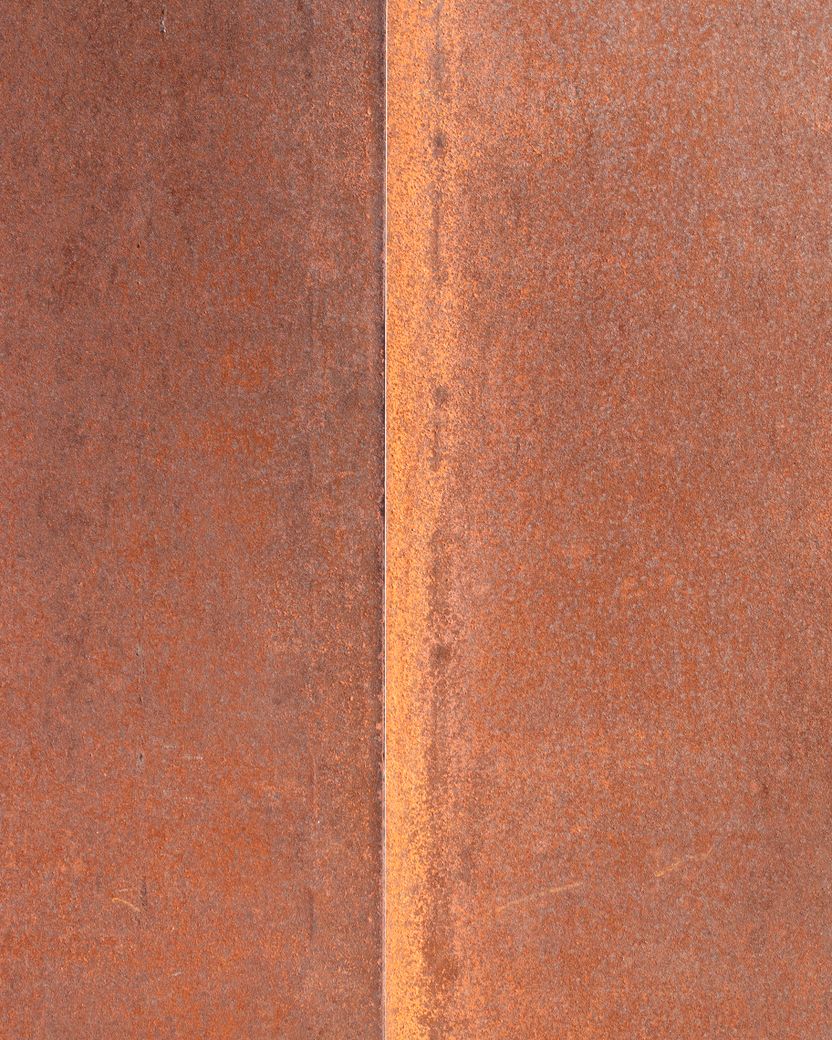
Stock photograph of weathering steel. The even orange-brown film is the stable oxide layer that forms over the first eighteen to thirty-six months and then slows to almost nothing. Corten Steel
Corten is a weathering steel that rusts deliberately and then stops. The oxide layer it forms seals the surface, so the material needs no coating and effectively no maintenance. It is the default choice for landscape sculpture, and it has one real drawback…
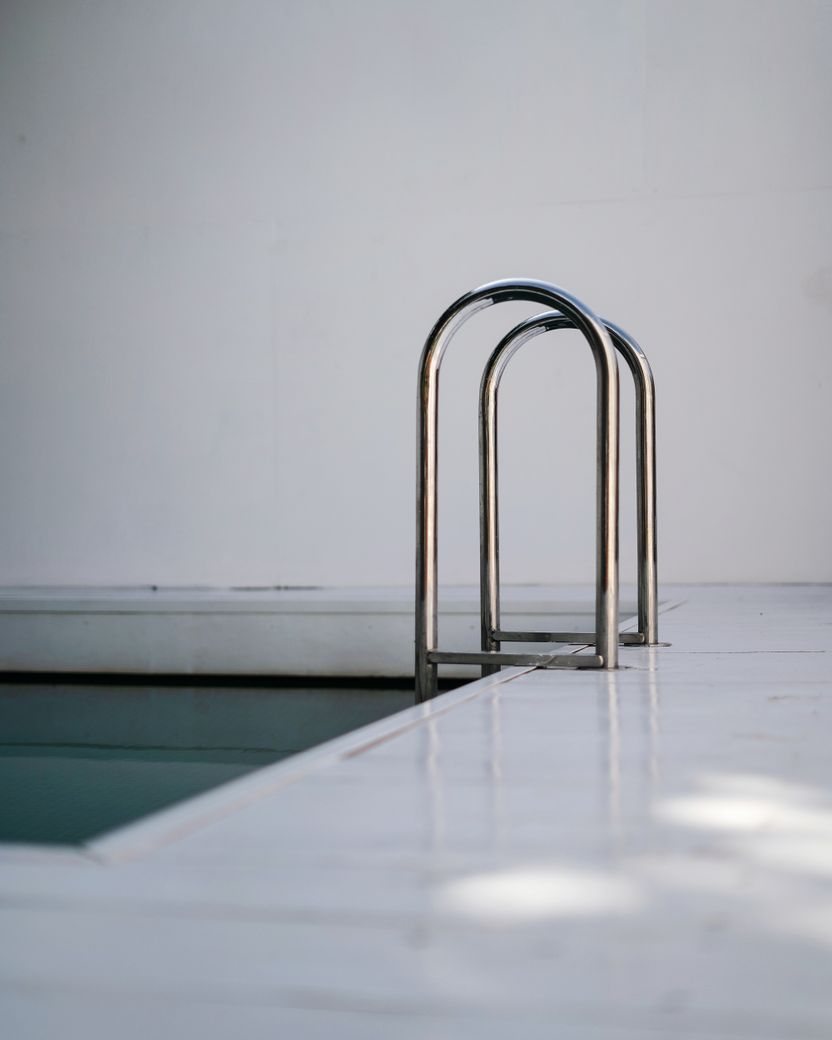
Stock photograph of polished stainless steel in a chlorinated poolside setting — the wet, salt- and chemical-exposed duty that 316 is specified for and 304 is not. 316 Stainless Steel
316L is the grade we use for any polished or coastal work. The molybdenum addition that separates it from 304 is what stops chloride pitting, and it is the difference between a mirror finish that lasts and one that develops brown freckles within two years…
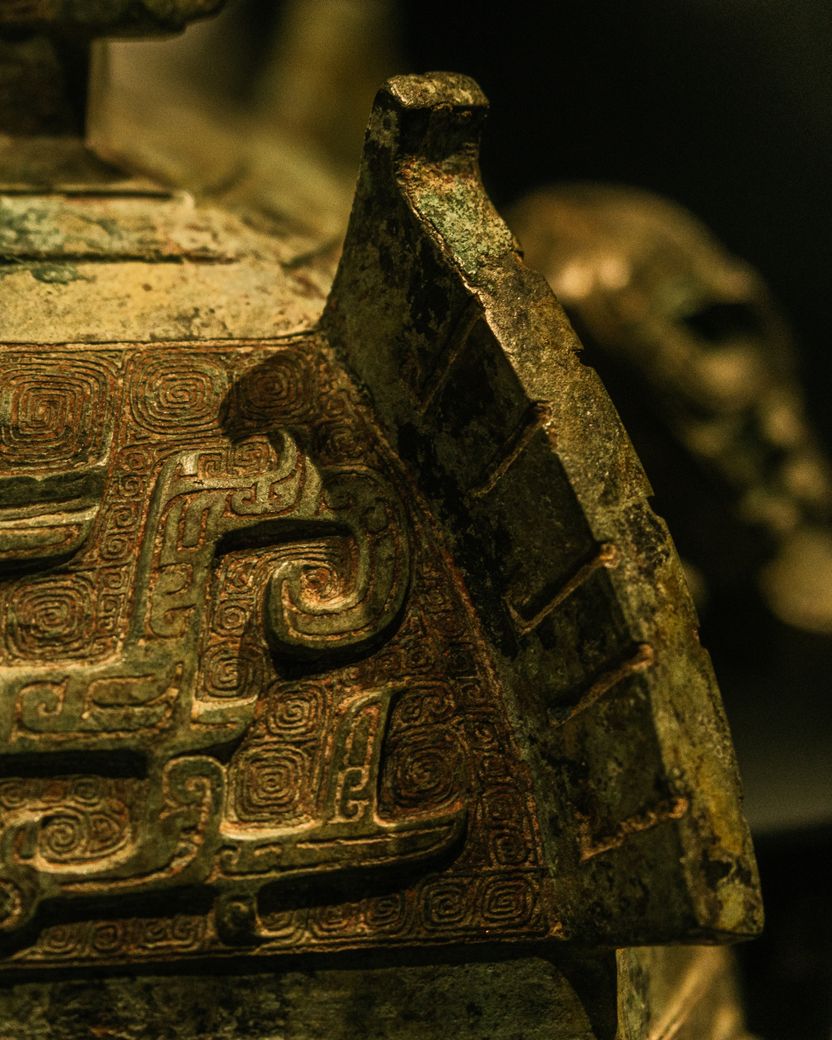
Stock photograph of an antique cast bronze. Shown for the patina: green copper carbonate over warm metal, built up over centuries. Not D&Z work, and no attribution attaches to it. Cast Bronze for Sculpture
Bronze is the material figurative sculpture has used for three thousand years, and the reason is simple: it holds fine surface modelling, it survives outdoors almost indefinitely, and it improves with handling. It is also the heaviest and slowest option in…
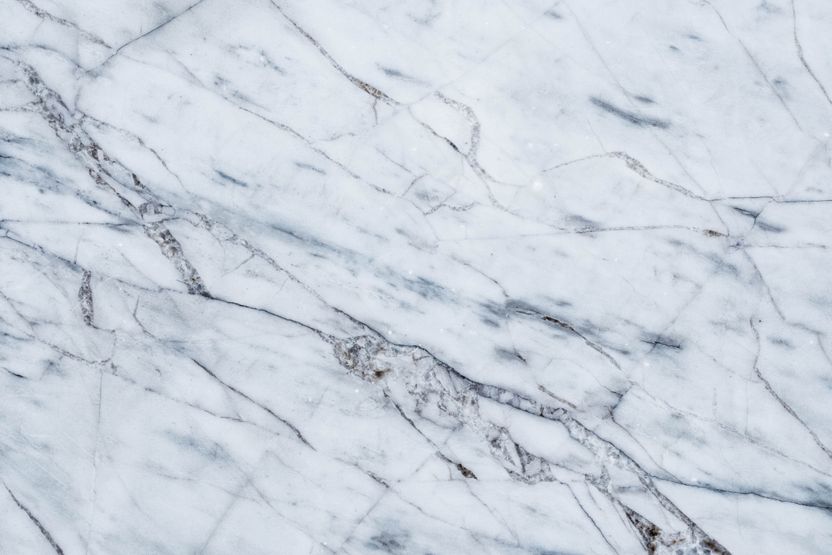
Stock photograph of white marble. The veining is the reason two pieces cut from the same quarry never match, and the reason a block is chosen before it is carved. Natural Marble for Sculpture
Marble is carved rather than formed, which makes it the least forgiving material we work in — there is no adding back. It gives a quality of light in the surface that nothing else reproduces, and it brings two constraints that decide most designs before they…
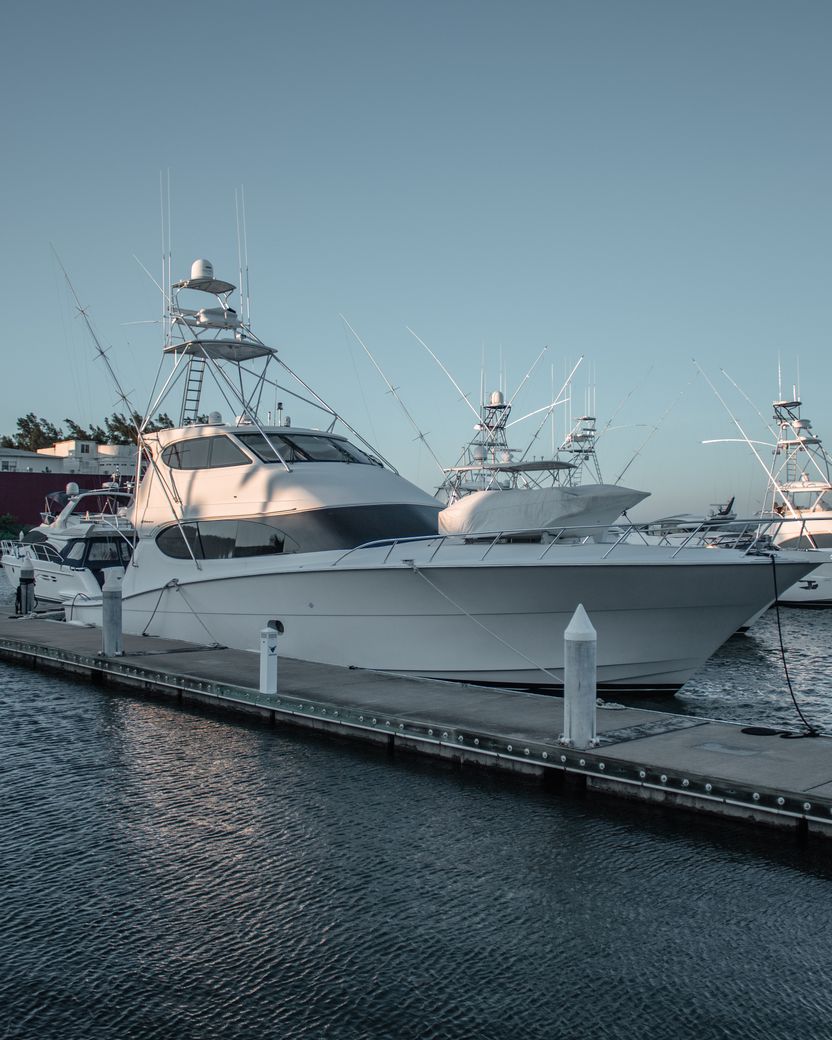
Stock photograph of glass-reinforced plastic boat hulls. The same laminate and gelcoat family used for large fiberglass sculpture, and the clearest everyday example of the finish it takes. Fiberglass (GRP) for Sculpture
Fiberglass exists in this range for one reason: weight. A three-metre piece that weighs 1,400 kilograms in bronze weighs 140 in GRP, and that single number decides whether it can go on a roof terrace, over a station box, or into a mall atrium at all. It is…
Speak to an engineer
Material choice is a site question as much as a taste question — exposure, chloride, footfall, maintenance regime. Describe the site and we will tell you what we would specify and why.
We respond to every quote request within one working day