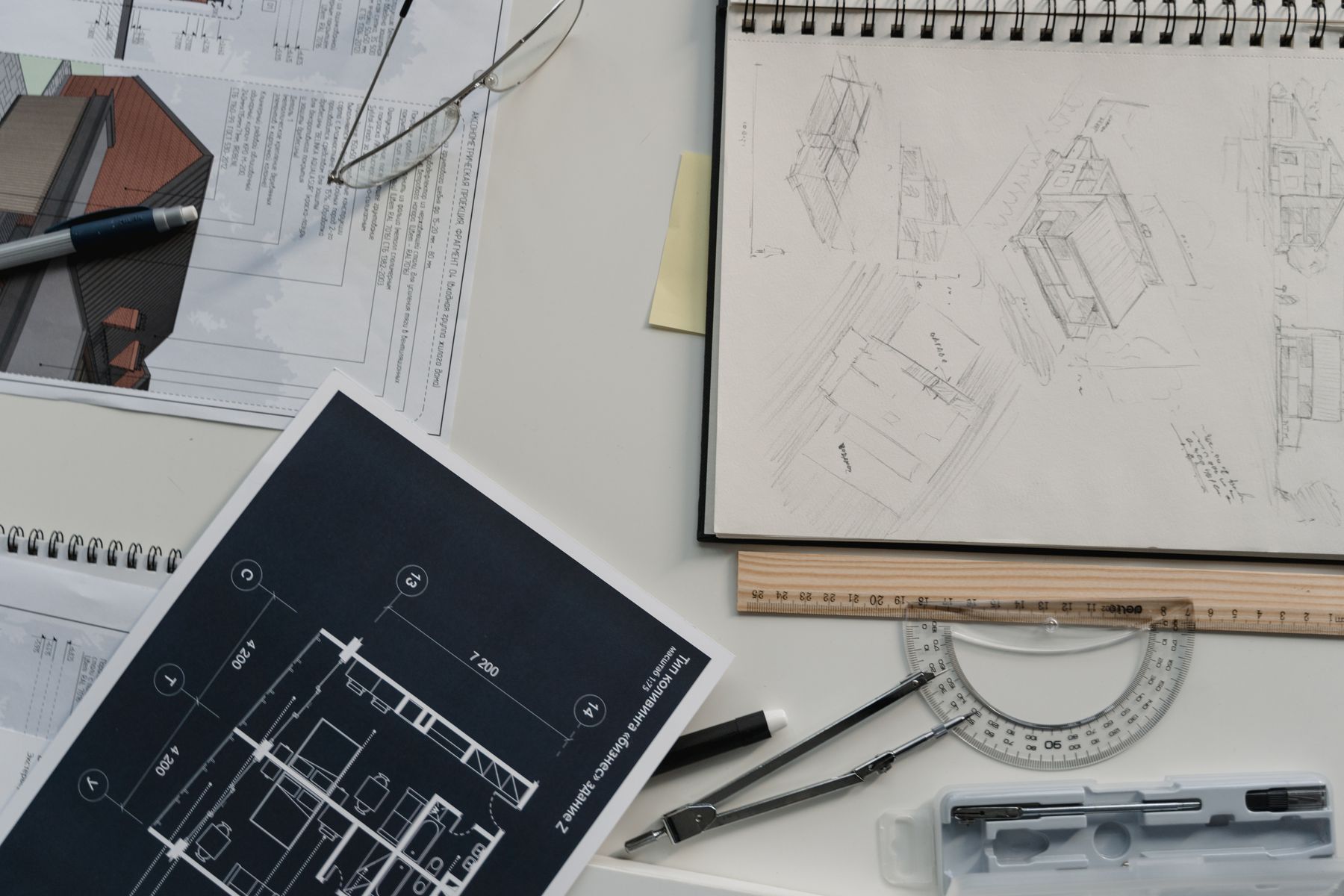

Design and approval is two to six weeks and it is the stage clients most often try to compress. We resist, because every hour saved here costs three later. A maquette signed off properly is the difference between one round of revision and four.
Fabrication is eight to twenty-four weeks depending on material. Fiberglass is fastest because pattern-making and lay-up are quick and there is no metallurgy. Metal fabrication is ten to twenty. Bronze is sixteen to twenty-four, and most of that is not casting — it is the hand chasing of the joins after the sections are welded, which cannot be parallelised beyond a certain point without the modelling losing continuity.
Polishing deserves its own line. Three of the fourteen workshop weeks on a three-metre mirror-polished piece are polishing alone. That is the single most compressible-looking and least compressible-in-reality stage on the programme.
Freight is four to seven weeks to Europe and North America by sea, two to four within Asia and the Gulf, six to nine to South America and Oceania. Air freight is possible below about 300 kilograms and rarely economic above it. This is the one stage genuinely outside our control, and we build float into it rather than promising the optimistic case.
What can be compressed honestly: running engineering in parallel with design development, pre-ordering plate or selecting a block before final approval, and pre-assembling wet packages so site commissioning is a day. What cannot: casting cycles, chasing, polishing, and a sea voyage.